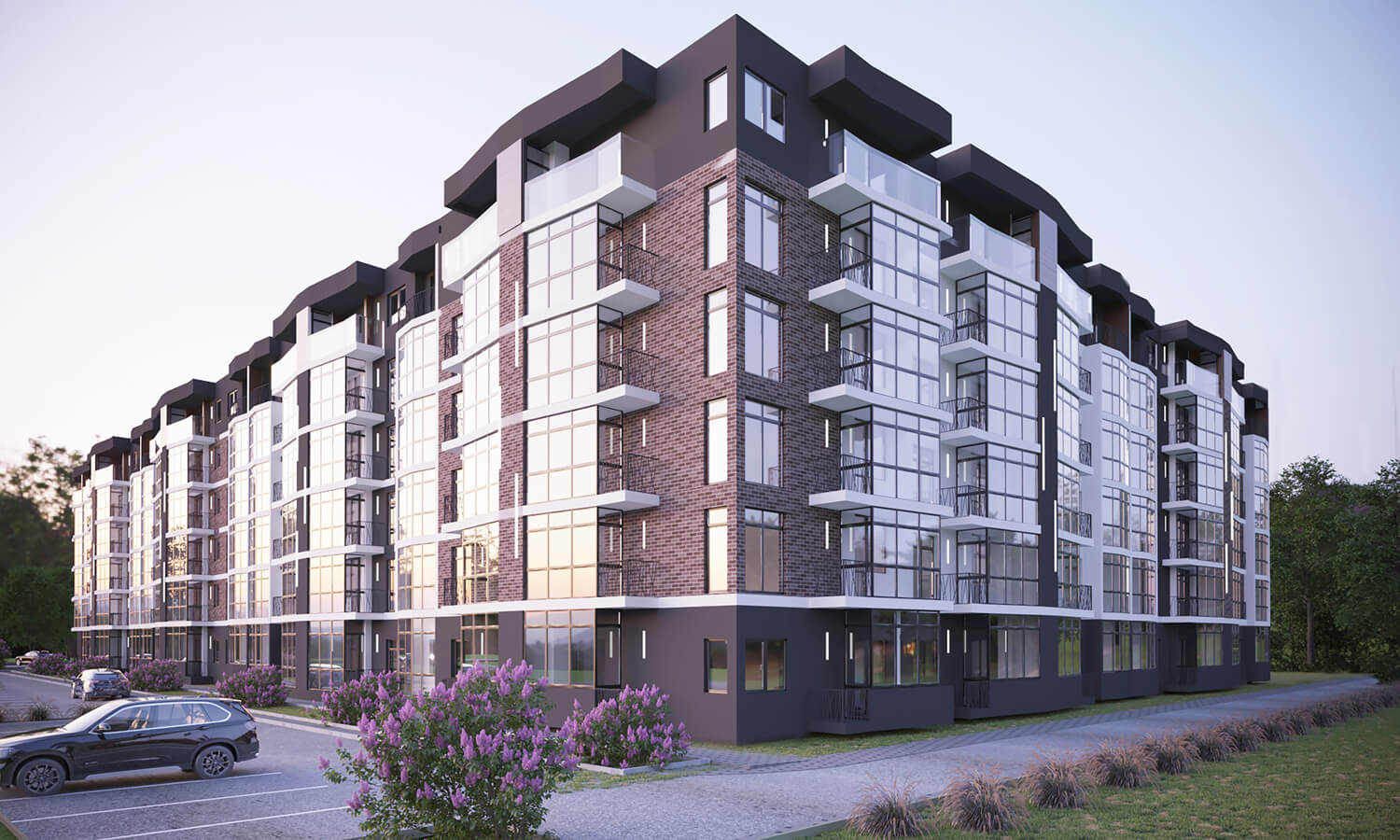
Designing facades for residential complexes: modern solutions from an interior design studio
The design of residential complex facades is one of the most important stages in the creation of modern city architecture. The façade shapes the image of the building, affects the cost of apartments and the comfort of residents, and determines how harmoniously the residential complex will fit into the urban space. For an interior design studio, working with the façades of large buildings is a complex task that combines creativity, functionality, and technology.
Why the facade of a residential complex matters
The facade of a high-rise building is not just an ‘external image’. It:
- creates the first impression of the residential complex;
- increases the aesthetic value of the property;
- affects the level of comfort inside the apartments (thermal insulation, sound insulation, energy efficiency);
- creates recognition and competitive advantage in the real estate market.
That is why the design of residential complex facades requires a special approach — it is not an interior that only the owner sees, but the face of the entire neighbourhood.
Stages of designing facades for residential complexes
1. Analysis of the environment
The interior design studio begins by researching the location: the architecture of the area, colour scheme, style of surrounding buildings, and climatic conditions. This allows the residential complex to be integrated into the environment without dissonance.
2. Facade concept
A stylistic solution is developed: from minimalism with laconic forms and large glass surfaces to more classic or combined options. At this stage, a unique ‘image’ of the residential complex is formed.
3. Proportions and rhythm
A large building can look massive and monotonous. To avoid this, designers work with proportions, the rhythm of windows, and accents in the form of balconies, terraces, or decorative elements.
4. Selection of materials
The following are often used for modern facades of residential complexes:
- ventilated systems,
- porcelain stoneware,
- composite panels,
- facade glass,
- decorative plasters.
Materials are selected not only for their aesthetics, but also for their durability, energy efficiency and ease of maintenance.
5. Colour solutions
The colour palette of the façade sets the mood for the entire complex. Light shades add lightness, dark shades add solidity, and contrasting accents create a modern character.
6. Details and individuality
To make the complex recognisable, original elements are added: decorative inserts, lighting, unique balcony structures or textures.
Current trends in façade design
- Energy efficiency — the use of innovative materials that reduce heating and air conditioning costs.
- Transparency and light — facades with large glass surfaces that provide natural lighting for apartments.
- Combination of materials — stone, wood, metal and glass in one facade for greater expressiveness.
- Architectural lighting — emphasis on the image of the complex in the evening.
- Facade greening — vertical gardens, balconies with plants, terraces with landscaping elements.
The role of an interior design studio in creating facades
An interior design studio takes on not only the creative but also the technical part of the work:
– creates the concept of the façade;
– selects materials and colours;
– takes into account building codes, safety and energy efficiency;
– accompanies the implementation at all stages, including author’s supervision.
The facade of a residential complex is more than just the outer shell of a building. It is the calling card of the project, which affects the comfort of residents and the reputation of the developer. That is why it is important to entrust the design of residential complex facades to a professional interior design studio. A comprehensive approach ensures that the result will be modern, functional and durable.